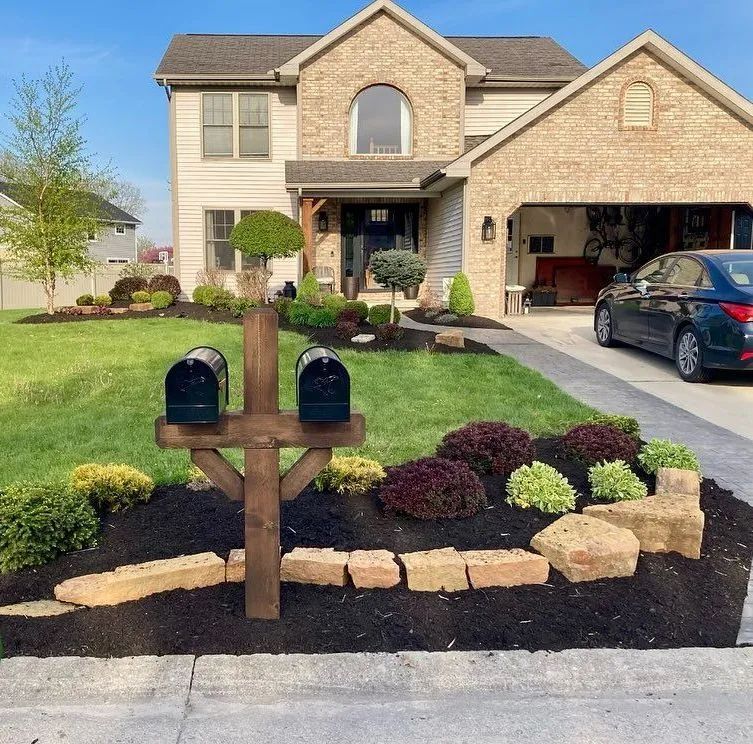
What Are the Best Practices for Landscape Design and Installation
March 23, 2026

A thoughtfully designed landscape does more than beautify a property—it enhances functionality, increases property value, and creates a harmonious outdoor living experience. Landscape design and installation is an intricate process that requires balancing aesthetics, practicality, and sustainability. From residential gardens to commercial grounds, the right planning and execution can transform outdoor spaces into functional retreats, improve environmental quality, and promote long-term property health. As trends in outdoor design evolve, integrating elements such as native plants, sustainable irrigation, and well-planned layouts has become increasingly important for homeowners and property managers alike.
Achieving a successful landscape goes beyond simply planting trees and flowers. It demands a strategic approach that considers soil quality, climate conditions, maintenance requirements, and user needs. Proper installation ensures longevity and resilience, while thoughtful design addresses both visual appeal and usability. This comprehensive guide explores best practices in landscape design and installation, providing actionable insights, practical tips, and expert reasoning to help property owners, designers, and landscapers create outdoor spaces that are not only beautiful but also functional and sustainable. Whether starting from scratch or renovating an existing garden, understanding these principles can prevent costly mistakes and ensure a vibrant, thriving landscape for years to come.
1. Planning and Site Analysis
Conducting a Thorough Site Assessment
Effective landscape design begins with understanding the site. This includes analyzing soil composition, sunlight exposure, drainage patterns, and microclimates. A soil test can reveal nutrient deficiencies or pH imbalances that may influence plant selection. Understanding topography helps identify potential erosion issues, natural water flow, and areas suitable for structures or planting beds. Mapping these elements before starting design ensures that plants, features, and hardscapes are positioned for long-term success.
Setting Goals and Budget
Before choosing plants or materials, establish clear objectives for the landscape. Are you aiming for a low-maintenance garden, a family-friendly space, or a luxury entertaining area? Defining goals guides the selection of materials, plant types, and hardscape features. Concurrently, setting a realistic budget is crucial. Landscaping costs can escalate quickly, so prioritizing elements based on function and aesthetic importance ensures resources are allocated efficiently. Budgeting also helps determine whether professional installation is feasible or if phased implementation is more practical.
2. Designing with Functionality and Aesthetics
Balancing Form and Function
A successful landscape marries visual appeal with practical use. Functional elements include walkways, patios, driveways, and seating areas, while aesthetic considerations involve color schemes, plant textures, and focal points. Using design principles such as unity, balance, and proportion ensures that every element contributes to the overall composition. For instance, grouping plants with complementary colors and textures can create visual harmony, while pathways designed with ergonomics in mind enhance usability.
Creating Zones for Different Activities
Dividing the landscape into functional zones—such as dining areas, play spaces, gardens, and quiet retreats—maximizes usability. Clearly defined zones reduce clutter, improve traffic flow, and allow each area to serve its intended purpose effectively. Incorporating transitional elements like hedges, low walls, or plantings can seamlessly connect these zones, creating a cohesive and inviting outdoor environment.
Incorporating Focal Points and Features
Focal points capture attention and provide visual interest. These can include water features, sculptures, unique plant specimens, or architectural elements like pergolas and gazebos. Strategically placed focal points guide the eye through the landscape and add personality to the space. In addition, functional features such as lighting, irrigation systems, and seating enhance both comfort and usability while complementing the design aesthetic.
3. Plant Selection and Sustainable Practices
Layering Plants for Visual Depth
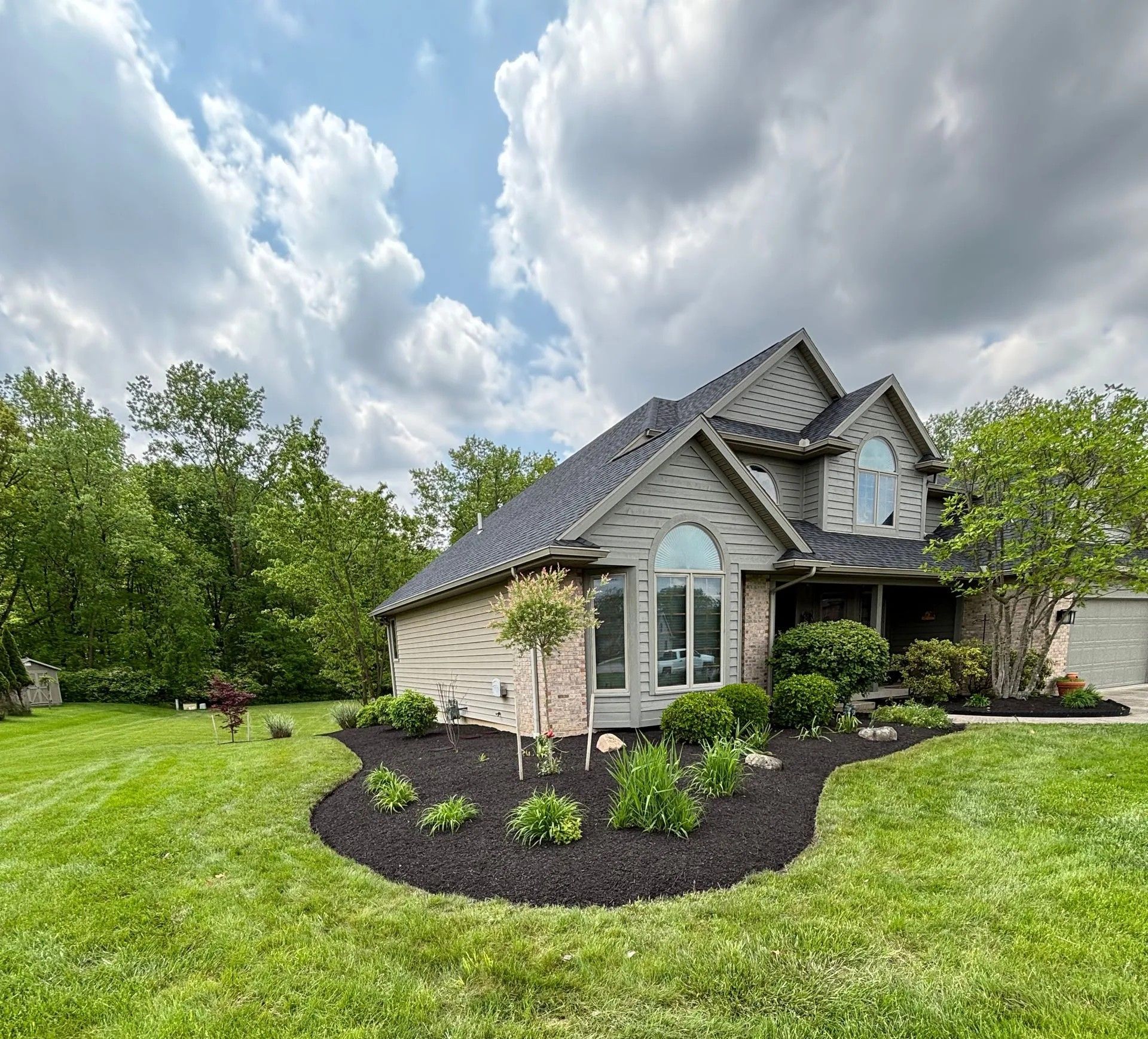
Effective landscapes employ a layered approach, incorporating ground covers, shrubs, and taller trees to create depth and dimension. This technique adds texture, enhances biodiversity, and provides seasonal interest. Strategic layering also helps prevent soil erosion, shade sensitive species, and creates natural windbreaks.
Sustainable Landscaping Practices
Incorporating sustainability reduces environmental impact and promotes resource efficiency. Practices include rainwater harvesting, drip irrigation, composting, mulching, and minimizing chemical fertilizers or pesticides. Selecting native or drought-resistant plants reduces water consumption and improves ecosystem health. Sustainable design not only benefits the environment but also lowers maintenance costs and ensures a resilient landscape capable of withstanding climate variability.
4. Hardscape Design and Installation
Integrating Hardscapes Thoughtfully
Hardscaping—elements such as patios, walkways, retaining walls, and fences—provides structure, functionality, and visual interest. Proper material selection ensures durability and complements the landscape’s aesthetic. For example, natural stone creates a timeless look, while permeable pavers allow water to infiltrate, reducing runoff.
Planning for Durability and Maintenance
Durable hardscape installation requires attention to foundational elements such as base preparation, drainage, and material quality. Failing to account for soil movement or water flow can lead to cracked patios, uneven walkways, and premature deterioration. Choosing materials suited to the climate and intended use prevents common problems and reduces long-term maintenance needs.
Harmonizing Hardscape and Plantings
The best landscapes seamlessly blend hardscape and plantings. Soft landscaping—plants, lawns, and gardens—can soften hard edges, provide shade, and create a natural transition between spaces. For instance, planting low shrubs along retaining walls reduces visual harshness and promotes ecological balance. Ensuring color, texture, and scale complement each other achieves a cohesive, inviting outdoor environment.
5. Irrigation, Lighting, and Maintenance Considerations
Implementing Efficient Irrigation
Water management is critical for plant health and resource conservation. Installing drip irrigation, soaker hoses, or smart irrigation controllers optimizes water usage and reduces waste. Properly designed systems deliver water directly to root zones, minimize evaporation, and ensure consistent moisture levels. Regular inspections prevent leaks and blockages, preserving system efficiency.
Enhancing Outdoor Spaces with Lighting
Outdoor lighting extends usability, enhances safety, and highlights landscape features. Pathway lights, spotlights, and ambient lighting create ambiance and emphasize focal points. Energy-efficient LED lighting and solar-powered options reduce electricity costs and environmental impact. Well-planned lighting improves visibility while accentuating design elements, adding depth and dimension after sunset.
Planning for Long-Term Maintenance
A sustainable landscape requires ongoing care. Regular pruning, fertilization, mulching, and pest management maintain plant health and aesthetic appeal. Selecting low-maintenance species and incorporating self-sustaining design principles, such as natural ground covers and drought-tolerant plants, reduces labor and cost over time. Creating a maintenance schedule ensures each element remains functional and visually appealing year-round.
6. Common Challenges and Expert Tips
Addressing Soil and Drainage Issues
Poor soil quality and inadequate drainage are common landscaping challenges. Solutions include soil amendment with compost or organic matter, installing French drains, and grading surfaces to direct water away from foundations. Expert landscaping professionals assess site conditions and recommend tailored solutions to prevent long-term plant stress and erosion issues.
Preventing Pest and Disease Problems
Integrated pest management (IPM) combines cultural, biological, and mechanical strategies to manage pests while minimizing chemical use. Choosing disease-resistant plant varieties, rotating crops, and maintaining proper spacing improves air circulation and reduces susceptibility to fungal infections. Early detection and targeted treatments help maintain plant health and preserve the integrity of the landscape.
Managing Seasonal and Climate Considerations
Landscapes must adapt to changing seasons and local climate conditions. Selecting a mix of evergreen and deciduous plants provides year-round interest, while appropriate mulch and ground cover protect roots from temperature extremes. Planning for seasonal color changes, drought periods, or heavy rainfall ensures a resilient, attractive outdoor space regardless of weather fluctuations.
7. Professional Collaboration and Project Execution
Working with Experienced Landscapers
Collaboration with experienced landscape designers and installation teams ensures the project meets aesthetic, functional, and environmental goals. Professionals provide insights into plant selection, hardscape materials, and design layouts, avoiding common mistakes that can lead to costly revisions. Their expertise ensures projects are completed on time, within budget, and to a high standard.
Phased Implementation for Large Projects
For extensive landscapes, phased implementation allows homeowners to manage costs while progressively enhancing their outdoor space. Prioritizing essential infrastructure like drainage and irrigation first, followed by planting and hardscaping, ensures a logical workflow and reduces disruption. This approach also allows for adjustments based on observed growth patterns or emerging needs.
Continuous Evaluation and Adaptation
Even after installation, landscapes benefit from ongoing evaluation. Observing plant health, soil conditions, and overall aesthetics enables timely interventions and design adjustments. A dynamic approach ensures the space evolves harmoniously over time, maintaining both functionality and visual appeal while maximizing long-term value.
Your Trusted Partner for Professional Landscape Installations
Landscape design and installation is a multi-faceted process that blends art, science, and practical know-how. From initial site assessment and goal setting to plant selection, hardscape integration, and maintenance planning, each step contributes to a cohesive and sustainable outdoor space. Prioritizing functionality, aesthetics, and sustainability ensures landscapes thrive over time, enhancing property value and user enjoyment. By incorporating best practices—such as layering plants for depth, integrating efficient irrigation, and planning for long-term maintenance—homeowners and designers can create landscapes that are both beautiful and resilient.
For property owners seeking reliable expertise, Cutting Edge Lawn Solutions
in Lima, Ohio, offers over 5
years of experience in comprehensive landscape design and installation. Our team emphasizes professional planning, quality materials, and sustainable practices to deliver outdoor spaces tailored to your needs. With a commitment to excellence and client satisfaction, Cutting Edge Lawn Solutions
ensures every project reflects beauty, functionality, and durability, making your property a standout in design and usability.