
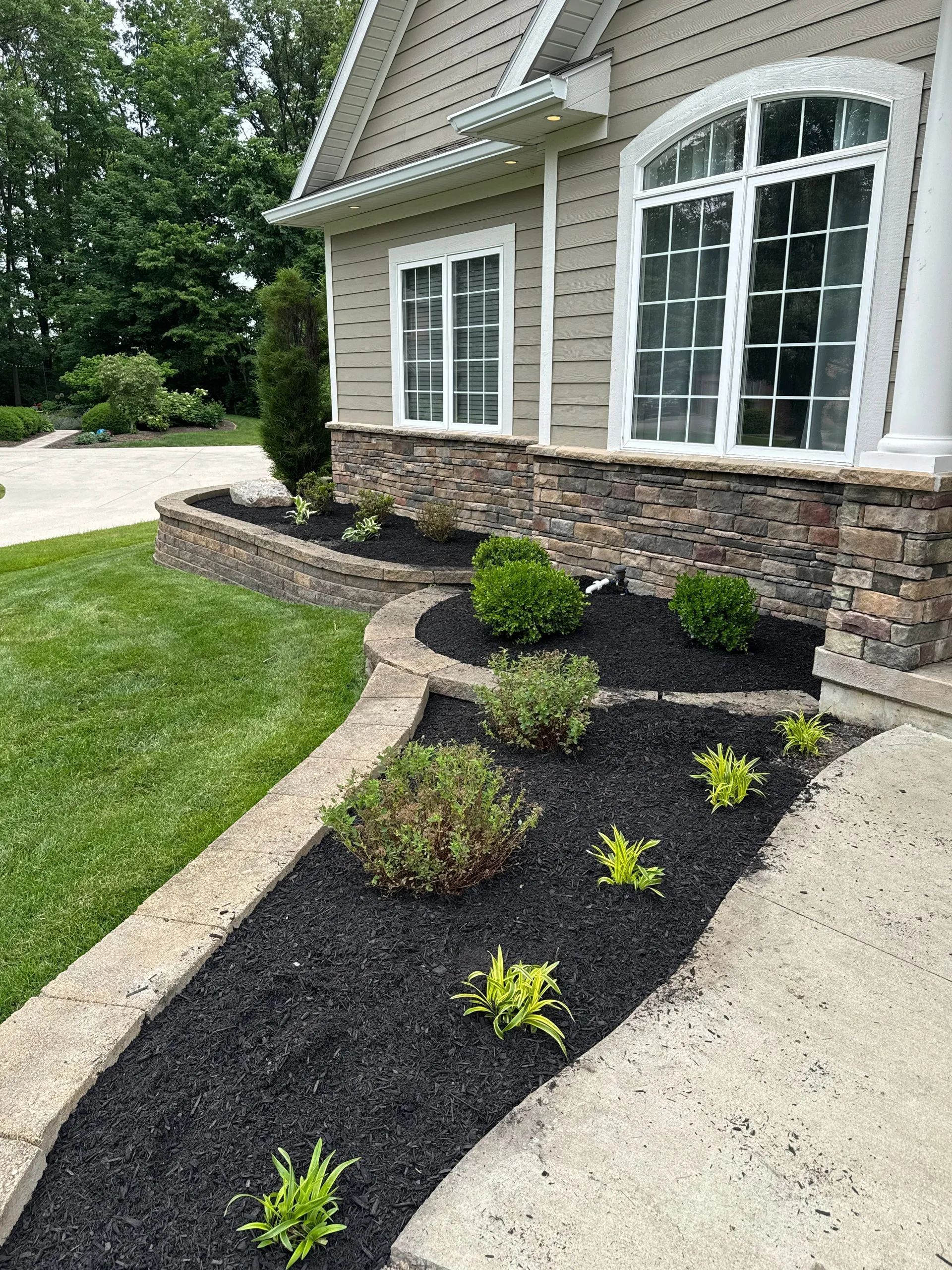

How Proper Mulching Can Transform Your Garden Beds

April 29, 2026

Mulching is one of the most effective yet often underestimated practices in garden maintenance and landscape improvement. When applied correctly, mulch does far more than enhance visual appeal; it plays a vital role in improving soil health, regulating temperature, conserving moisture, and reducing weed growth. In modern horticulture and landscape design, mulching has become an essential technique for creating sustainable and resilient garden beds that require less maintenance while delivering stronger plant performance. It also supports beneficial soil organisms, helping create a living ecosystem beneath the surface that continuously improves fertility. Over time, this leads to richer soil texture and healthier plant development. Additionally, mulch helps reduce soil compaction caused by heavy rain or foot traffic, preserving root structure and improving long-term garden stability. These combined advantages make it a core practice in both small gardens and large-scale landscaping projects.


In both residential and commercial gardening environments, soil quality and water efficiency are constant concerns. Proper mulching addresses these challenges by forming a protective layer over the soil surface, reducing evaporation and shielding roots from extreme weather conditions. This simple yet powerful practice directly influences plant growth, soil biology, and long-term garden productivity. As landscaping standards evolve, mulching is increasingly recognized as a foundational strategy rather than an optional enhancement. Understanding its benefits and proper application methods can significantly transform garden beds into thriving, low-maintenance ecosystems that remain healthy throughout seasonal changes and environmental stressors. It also reduces dependency on frequent irrigation, making gardens more water-efficient and environmentally responsible. Furthermore, mulch minimizes nutrient loss from runoff, ensuring that essential minerals remain available for plant uptake. Over time, this leads to more consistent growth patterns and improved landscape durability even in challenging climates.

The Role of Mulching in Garden Bed Transformation

  • Soil Protection and Temperature Regulation

    Mulch acts as a natural insulator for soil, shielding it from rapid temperature fluctuations. During hot seasons, it prevents excessive heating, while in colder months, it reduces frost penetration. This stability supports consistent root development and reduces plant stress. Garden beds benefit from improved microbial activity as soil organisms remain active in balanced conditions, promoting healthier nutrient cycling and stronger plant growth over time. Overall, this creates a more stable garden ecosystem that supports long-term soil vitality and improved plant resilience across seasons, naturally, consistently, and effectively.

  • Moisture Retention and Water Efficiency

    One of the most significant functions of mulch is moisture conservation. By reducing evaporation, mulch allows soil to retain water for longer periods, minimizing irrigation needs. This is especially valuable in regions with irregular rainfall or water restrictions. Plants experience fewer drought stress conditions, resulting in deeper root systems and more resilient growth patterns. Over time, this contributes to lower water usage and improved garden sustainability. Additionally, it helps maintain soil structure while ensuring plants receive consistent hydration throughout changing weather conditions, effectively and long-term benefits.

Types of Mulch and Their Practical Applications

Organic Mulch Options

Organic mulch includes materials such as bark, wood chips, straw, compost, and shredded leaves. These materials decompose gradually, enriching soil with nutrients and improving its structure. As decomposition occurs, organic mulch enhances microbial activity and supports long-term soil fertility. Garden beds benefit from continuous nutrient replenishment, making this type ideal for flower beds, vegetable gardens, and ornamental landscapes. This process reduces dependency on chemical fertilizers while encouraging a balanced ecosystem within the soil for sustained plant health over extended growth cycles, naturally improving soil quality further.

Inorganic Mulch Solutions

Inorganic mulch includes gravel, stones, rubber mulch, and landscape fabrics. Unlike organic options, these materials do not decompose, making them suitable for long-term ground cover with minimal maintenance. They are commonly used in decorative landscapes or areas where weed suppression is the primary goal. While they do not improve soil fertility, they provide durability and consistent visual structure, especially in high-traffic or arid environments. These materials are particularly effective in commercial spaces and pathways requiring long-lasting ground coverage and design stability with reduced upkeep.

Soil Health Improvement Through Mulching

Preventing Soil Erosion and Compaction

Bare soil is highly vulnerable to erosion caused by wind and water runoff. Mulch acts as a protective barrier, reducing the impact of heavy rain and preventing topsoil loss. It also minimizes compaction by cushioning the soil surface, allowing better air and water movement. This creates a healthier root environment where plants can establish stronger foundations and absorb nutrients more efficiently. It supports long-term soil structure stability while reducing degradation from environmental stress and seasonal weather fluctuations, ensuring consistent ground protection and durability over extended periods.

Weed Control and Plant Protection Benefits

  • Suppressing Weed Growth Naturally

    Mulch is highly effective in reducing weed emergence by blocking sunlight from reaching weed seeds. Without sufficient light, germination is significantly slowed or completely prevented. This reduces the need for manual weeding or chemical herbicides, saving time and promoting a cleaner, more controlled garden environment. Proper mulch thickness is key to maximizing weed suppression while still allowing healthy plant growth. It also reduces soil disturbance, helping maintain stable microbial activity and preventing new weed seed germination cycles from developing while supporting long-term garden balance effectively and naturally.

  • Protecting Roots and Reducing Plant Stress

    Garden plants often face stress from temperature extremes, pests, and inconsistent moisture levels. Mulch creates a stable environment that reduces these stress factors. It acts as a buffer against soil splashing, which can spread disease to plant leaves. Additionally, it reduces root exposure, helping plants maintain steady growth even during challenging weather conditions. This protective layer is essential for long-term plant vitality and garden resilience. It further enhances plant stability by reducing environmental shocks and improving overall soil-plant interaction efficiency through consistent protective coverage naturally.

Proper Mulching Techniques and Common Mistakes

Correct Application Depth and Placement

Applying mulch at the correct depth is critical for achieving optimal results. A layer that is too thin may fail to suppress weeds or retain moisture effectively, while excessive thickness can restrict air circulation and suffocate plant roots. Ideally, mulch should be evenly distributed while keeping a small gap around plant stems to prevent rot and fungal issues. Proper spacing ensures that plants receive adequate airflow and remain healthy. This practice also improves nutrient flow and prevents long-term soil oxygen depletion in garden beds effectively and sustainably.

Avoiding Over-Mulching and Soil Imbalance

One of the most common mistakes in garden maintenance is over-mulching. Excessive layering can lead to waterlogging, reduced oxygen flow, and root decay. It may also create favorable conditions for pests and diseases. Regular inspection and seasonal refreshing of mulch layers help maintain balance. Removing old, compacted mulch before reapplication ensures that soil remains active, breathable, and biologically healthy throughout the year. It also prevents nutrient lock issues and maintains proper soil aeration, essential for sustained plant development, supporting consistent ecological balance in gardens long term.

Expert Mulch Application Delivering Lasting Landscape Results

Proper mulching is a foundational practice that significantly enhances garden bed performance. It improves soil health, conserves moisture, regulates temperature, suppresses weeds, and protects plant roots from environmental stress. When applied with the correct materials and techniques, mulch transforms ordinary soil into a thriving, self-sustaining ecosystem that supports long-term plant growth and reduces maintenance requirements. Consistent attention to mulch selection, depth, and renewal cycles ensures that garden beds remain productive and visually appealing across seasons. Understanding these principles allows for more efficient landscape management and healthier outdoor spaces. It also encourages stronger root development by maintaining stable underground conditions. Over time, this leads to improved plant resilience against drought, pests, and seasonal fluctuations. Proper mulching also enhances soil structure by gradually enriching organic content and supporting beneficial microbial activity, ensuring long-term garden sustainability.


Cutting Edge Lawn Solutions, based in Lima, Ohio, with over 5 years of dedicated experience in lawn and landscape care, brings specialized knowledge in professional mulching practices that elevate garden performance. Our approach focuses on precision application, soil health optimization, and sustainable maintenance strategies tailored to diverse landscape conditions. We emphasize reliability, hands-on expertise, and consistent results that help property owners achieve healthier and more resilient outdoor environments. Through our commitment to quality workmanship and practical horticultural understanding, we continue to support garden transformations that deliver lasting value and visual excellence across residential and commercial spaces. Our team carefully assesses each site to determine the most effective mulching method for optimal results. We also prioritize eco-friendly practices that support long-term soil vitality and environmental balance. This ensures that every project not only improves appearance but also strengthens overall landscape health and sustainability.

A house exterior with a green lawn, dark mulch, and a variety of green shrubs and flowers planted in front.
March 23, 2026
A thoughtfully designed landscape does more than beautify a property—it enhances functionality, increases property value, and creates a harmonious outdoor living experience.

Two black mailboxes on wooden post in front of a house with a landscaped yard and a car in the driveway.
February 19, 2026
Mulching is one of the simplest yet most impactful practices in garden care, often overlooked by novice gardeners. At its core, mulching involves placing a protective layer of organic or inorganic material over the soil surface around plants.

White snowplow truck clearing snow from a road on a snowy day.
January 16, 2026
As winter approaches, the thought of snow-covered driveways, icy sidewalks, and blocked roads often brings a sense of urgency to homeowners and business operators alike. While some property owners attempt to tackle snow removal themselves, the reality is that winter storms can be unpredictable, heavy, and hazardous.
Show More
A house exterior with a green lawn, dark mulch, and a variety of green shrubs and flowers planted in front.
March 23, 2026
A thoughtfully designed landscape does more than beautify a property—it enhances functionality, increases property value, and creates a harmonious outdoor living experience.
Two black mailboxes on wooden post in front of a house with a landscaped yard and a car in the driveway.
February 19, 2026
Mulching is one of the simplest yet most impactful practices in garden care, often overlooked by novice gardeners. At its core, mulching involves placing a protective layer of organic or inorganic material over the soil surface around plants.
White snowplow truck clearing snow from a road on a snowy day.
January 16, 2026
As winter approaches, the thought of snow-covered driveways, icy sidewalks, and blocked roads often brings a sense of urgency to homeowners and business operators alike. While some property owners attempt to tackle snow removal themselves, the reality is that winter storms can be unpredictable, heavy, and hazardous.
Show More